KS2 Adjective & Adverb Word Banks for Poetry 📝 | Free A4 Mats for Classroom Writing
KS2 children love writing imaginative poems — but many struggle to choose the right words.
These adjective and adverb resources give pupils the vocabulary they need to write with detail, confidence and flair.
This post includes:
✅ Two FREE A4 Word Mats (PDF downloads)
• One Adjective Mat and one Adverb Mat
• Designed, grouped and ready to print for classroom use
✅ Extended KS2 Word Lists inside this post
• Much larger collections of adjectives and adverbs
• Organised by theme (colour, emotion, nature, movement, sound, etc.)
• With model sentences and poetry examples
✅ Text-Only Versions for Exercise Books
• Simple copy-and-paste lists for pupil notebooks
Plus:
✨ Quick warm-ups
✨ Classroom activities
✨ Differentiation ideas
✨ Assessment suggestions
Perfect for Year 3, Year 4, Year 5 and Year 6.

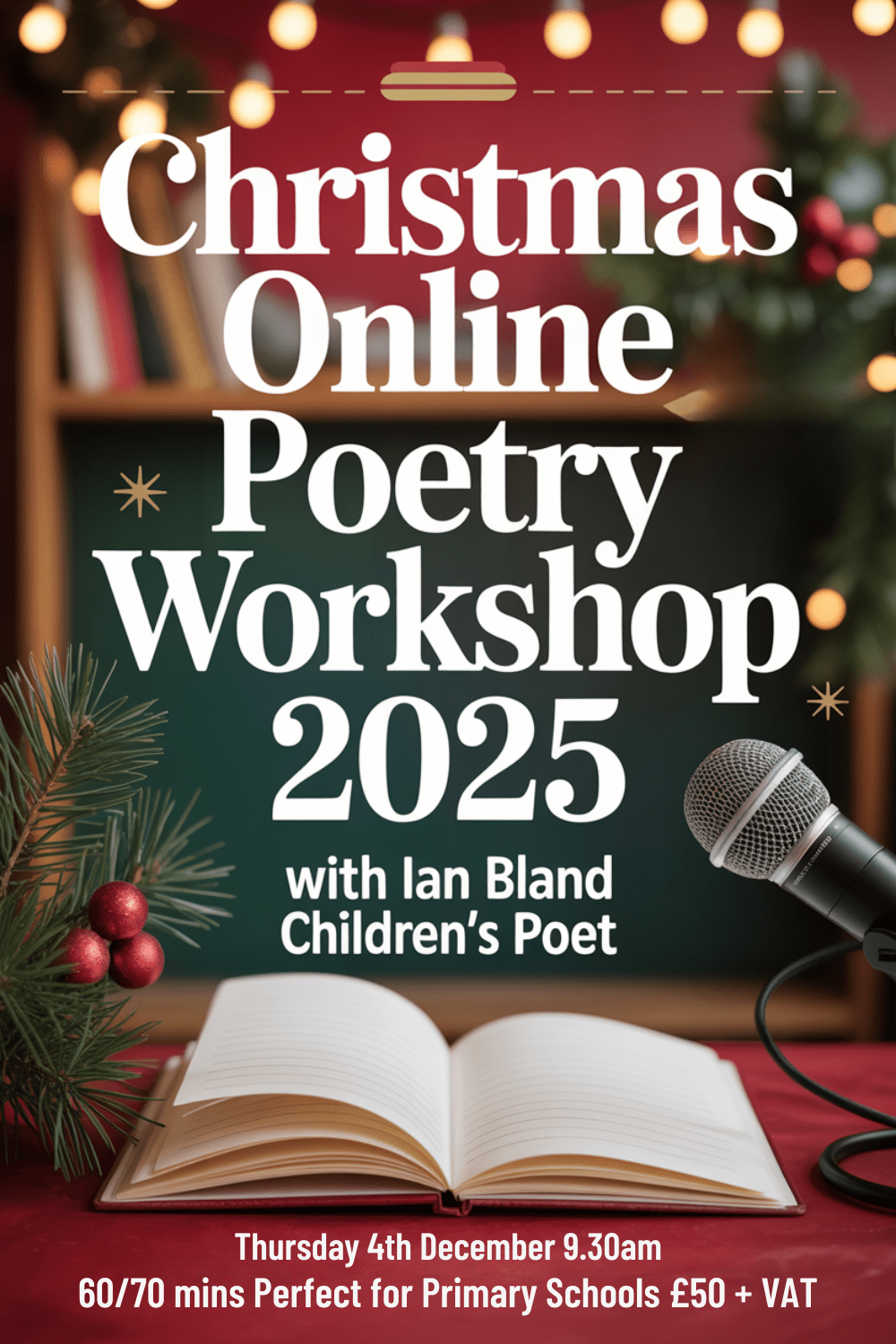
If your pupils enjoy creative writing, you can also book me for an Online Poetry Workshop or In-Person Poetry Day.

🌟 Why Use Adjective & Adverb Word Banks in Poetry?
Good poetry depends on precise vocabulary choices.
Adjectives help children create imagery.
Adverbs help them add detail, movement and tone.
Word banks support pupils when they:
build stronger descriptions
use figurative language
add emotion or atmosphere
perform poems with expression
edit and improve their writing
These mats work brilliantly for:
whole-class modelling
guided writing
independent tasks
SEN scaffolding
greater-depth extension
🔗 Related Posts
✨ KS2 Adjective Word Bank (FREE A4 MAT)
Use these adjectives to help children paint pictures with words.
They are grouped so pupils can quickly find the right idea.
 🎨 Colour & Light Adjectives
vibrant • shimmering • pale • glowing • misty • luminous • shadowy • icy • golden • dazzling • hazy • silver • smoky
Sentence starters:
“A luminous glow filled the valley…”
“The shadowy forest waited silently…”
🌳 Nature & Environment Adjectives
rustling • tangled • towering • brittle • rugged • rippling • swirling • windswept • ancient • earthy • wild • delicate
Poetry idea:
Describe a tree using only adjectives.
Then remove one word at a time until the description becomes “bare”.
This activity helps pupils understand how adjectives build imagery — and what happens when you strip them away. It’s quick, visual and works brilliantly across KS2.
Step-by-step guide:
Choose a simple noun:
Write “tree” on the board (or choose a season-themed object like “forest”, “mountain”, or “snowy field”).Ask pupils to describe it using only adjectives.
Challenge them to write a single line or list made up entirely of adjectives.
Example:
“twisted, ancient, mossy, hollow, brittle, shadowy”Discuss how the adjectives create an image.
Ask:What kind of tree does this sound like?
How do these adjectives affect the mood?
Which words feel strongest?
Now remove one adjective at a time.
Rub out or cross out one word from the list.
Read the line again.
Keep repeating until only one adjective is left.Talk about how the image becomes “bare”.
Pupils will notice:The description becomes less detailed
The mood weakens
The picture in their mind becomes less clear
The remaining words take on new significance
Extension for writing:
Pupils rewrite the image as a two-line poem using their best adjectives
OR write a contrasting version by switching adjectives (e.g., calm, soft, peaceful…)
Greater Depth challenge:
Ask pupils to choose one final adjective and explain why it is the strongest, or rewrite the noun using a metaphor based on the adjectives they selected.
This activity clearly demonstrates how adjectives build imagery — and helps pupils think carefully about which words truly matter.

Great for teachers looking to save time!
😄 Emotion & Character Adjectives
anxious • triumphant • restless • gloomy • furious • hopeful • bold • joyful • curious • nervous • determined • proud
Sentence starters:
“A restless shiver crept down my spine…”
“The class stood proud and ready to perform…”
🌦️ Weather & Atmosphere Adjectives
blustery • eerie • peaceful • tense • freezing • oppressive • calm • dramatic • gloomy • swirling • icy • thunderous
Short writing prompt:
Write a two-line poem describing a storm using one weather adjective and one emotion adjective.
🧪 Texture, Shape & Sensory Adjectives
prickly • velvety • jagged • smooth • gritty • spiky • crisp • sticky • fluffy • hollow • dense • slippery
Model sentence:
“The jagged cliffs cut into the gritty shoreline.”
👉 Download the KS2 Adjective Word Mat
Hundreds of FREE poetry ideas, activities and resources-ready to download!
⚡ KS2 Adverb Word Bank (FREE A4 MAT)
Adverbs add precision, movement and performance detail to poetry.
🏃 Movement Adverbs
swiftly • cautiously • suddenly • boldly • gracefully • silently • rapidly • steadily • wildly • tirelessly
Model line:
“The leaves danced gracefully in the breeze.”
🔊 Sound & Performance Adverbs
softly • fiercely • loudly • rhythmically • quietly • proudly • dramatically • playfully • boldly
Teacher tip:
Use these during performance poetry.
Ask pupils to read a line in different “adverb styles.”
🎭 Emotion & Tone Adverbs
sadly • joyfully • nervously • hopefully • urgently • confidently • anxiously • bravely
Simple exercise:
Give a neutral sentence.
Pupils rewrite it three times using different emotion adverbs.
🌬️ Weather & Nature Adverbs
gently • violently • steadily • endlessly • lightly • forcefully • slowly • fiercely • calmly
Sentence starter:
“The river flowed steadily through the valley…”
✍️ Writing & Thinking Adverbs
carefully • thoughtfully • creatively • precisely • quietly • deliberately • curiously
Perfect for reflection, editing and metacognition.
👉 Download the KS2 Adverb Word Mat
🎒 Classroom Activities (Quick & Effective)
1. Adjective Upgrade
Give pupils a dull sentence:
“The dog walked along the street.”
Children rewrite it using three adjectives.
2. Adverb Challenge
Give an action (run, whisper, dance).
Pupils choose an adverb to change the tone.
3. Poetry Dice
Make two dice:
Dice 1 = adjectives
Dice 2 = nouns
Roll both and write a four-line poem using the pairing.
4. Show, Don’t Tell
Give emotions like anger, fear, excitement.
Children describe a scene using adjectives and adverbs only — no emotion words allowed.
5. Sensory Expansion
Use adjective lists to describe:
a room
a forest
a celebration
a mysterious object
Then turn the description into a poem.
📄 Text-Only Version for Exercise Books
Use this simple, black-and-white list if you want pupils to copy vocabulary into their books or for low-ink printing.
Adjectives (Full List):
vibrant, shimmering, pale, glowing, misty, luminous, shadowy, icy, golden, dazzling, hazy, silver, smoky,
rustling, tangled, towering, brittle, rugged, rippling, swirling, windswept, ancient, earthy, wild, delicate,
anxious, triumphant, restless, gloomy, furious, hopeful, bold, joyful, curious, nervous, determined, proud,
blustery, eerie, peaceful, tense, freezing, oppressive, calm, dramatic, gloomy, swirling, icy, thunderous,
prickly, velvety, jagged, smooth, gritty, spiky, crisp, sticky, fluffy, hollow, dense, slippery.
Adverbs (Full List):
swiftly, cautiously, suddenly, boldly, gracefully, silently, rapidly, steadily, wildly, tirelessly,
softly, fiercely, loudly, rhythmically, quietly, proudly, dramatically, playfully, boldly,
sadly, joyfully, nervously, hopefully, urgently, confidently, anxiously, bravely,
gently, violently, steadily, endlessly, lightly, forcefully, slowly, fiercely, calmly,
carefully, thoughtfully, creatively, precisely, quietly, deliberately, curiously.

Get yourself a signed book!
👩🏫 Teacher Pedagogy Notes
Curriculum links
vocabulary building
figurative language
expanded noun phrases
performance poetry
editing and improving writing
Differentiation
Support: highlight 10–12 words to choose from
Challenge: pupils create their own adjective/adverb mini-mat
Assessment
Do pupils choose vocabulary that enhances meaning?
Can they explain why an adjective or adverb works well?
Can they edit to improve word choice?
🌈 Final Thoughts
KS2 children produce their best poems when they have exciting vocabulary to choose from.
These adjective and adverb mats give them confidence, structure and creative spark.
They make poetry more accessible — and far more enjoyable — across Years 3–6.
If you’d like me to inspire your pupils to write and perform their own poems, you can book a Poetry Day or Online Poetry Workshop.