Best Poems for Children to Learn and Perform in Primary Schools 2026



Poetry is made to be performed. When children learn a poem by heart and share it with others, they experience rhythm, rhyme, and language in a powerful new way. Performance poetry builds confidence, develops speaking and listening skills, and creates a real buzz in the classroom.
In this post, I’ve gathered some of the best poems for children to learn and perform in primary schools. These choices work brilliantly for KS1 and KS2, whether you’re planning a class assembly, a literacy unit, or simply want to inspire reluctant readers and writers. I’ll also share ideas for how to make performances exciting, memorable, and fun.
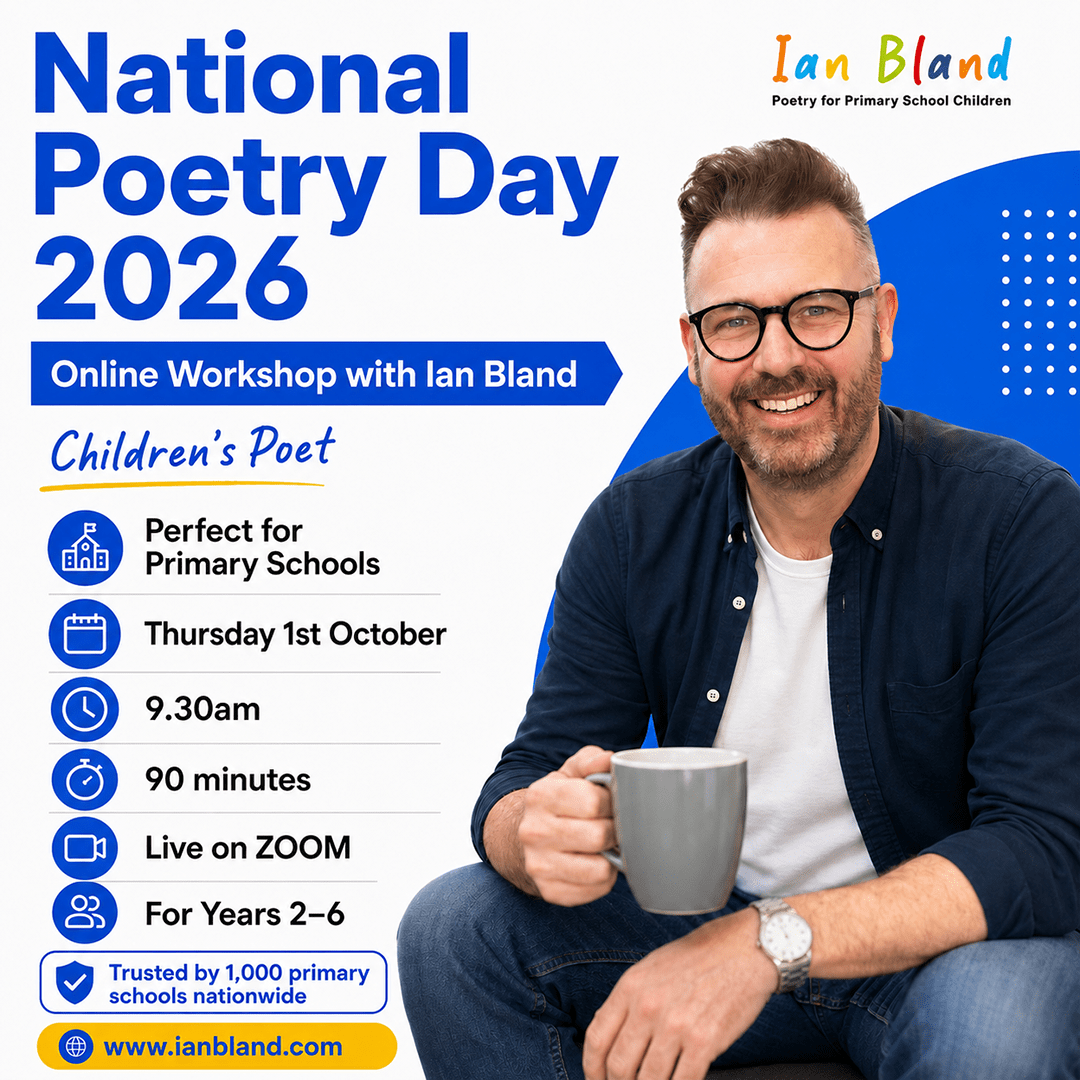
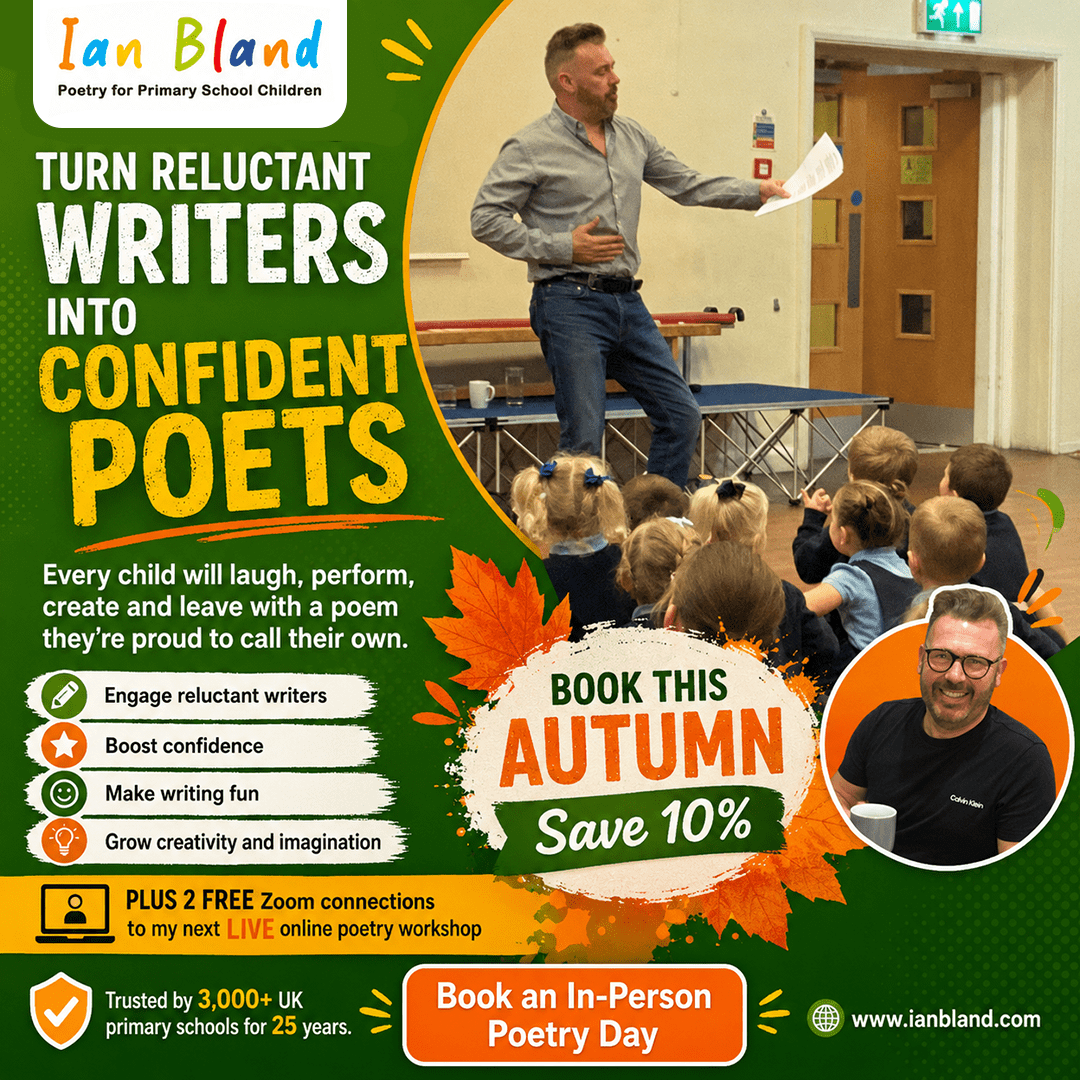
If you’d like your pupils to develop their poetry skills, I offer Online Workshops and Poetry Days for KS2 (and KS1).
📚 More Ideas: Poetry Teaching Ideas (144+ KS2 poetry activities)

Great for teachers looking to save time!
1. The Owl and the Pussycat – Edward Lear
A classic nonsense poem that children love. The rhythm makes it easy to memorise, and the playful language brings performance to life.
👉 Performance tip: split the class into pairs, with one child as the owl and one as the pussycat. Add simple props like a toy guitar or a paper boat.

2. The Ning Nang Nong – Spike Milligan
This tongue-twisting classic is perfect for group recitals. The rhythm and nonsense words make it hilarious to perform.
👉 Performance tip: divide the poem into sections and let groups add sound effects — claps, stomps, shouts — for maximum fun.
👉 Christmas Shape Poems 🔗KS2 Frozen Inspired Winter Poems 🔗 5 Exciting Poems To Learn And Perform KS2
🔗 Christmas Similes and Metaphors KS2 🔗 Teaching Rhythm and Rhyme KS2 🔗 KS2 Shared Writing For Poetry
🔗 KS2 Poetry Planning Templates 🔗 KS2 Poetry Editing & Improving 🔗 KS2 Poetry Assessment Made Simple
🔗 KS2 Poetry Lesson Plans (Ready To Use) 🔗 Ready-Made KS2 Poetry Model Texts
3. The New Kid on the Block – Jack Prelutsky
This poem is full of humour, clever rhymes, and a touch of mischief — everything children love in a performance piece. Its strong rhythm makes it easy to memorise, and the playful descriptions of the mysterious “new kid” create plenty of opportunities for expression and character acting.
👉 Performance tip: Encourage children to exaggerate their voices and facial expressions as they describe the “new kid.” Small groups can take different stanzas and perform them in character, while the whole class joins in for the repeated lines to build a lively, theatrical effect.
4. The Dinner Lady Dance – by me!
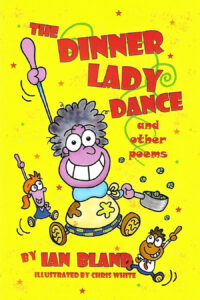

One of my most popular performance poems, The Dinner Lady Dance is packed with rhythm, rhyme, and infectious fun. Children love the humour and the cheeky idea of dinner ladies breaking into dance. Its playful tone and easy-to-learn verses make it a brilliant choice for whole-class performances or assemblies.
👉 Performance tip: Add actions for each verse — for example, pretend to carry trays, serve food, or dance across the stage. Encourage the whole class to join in with the repeated chorus, building volume and energy each time. Props like ladles, aprons, or hairnets add extra comedy value and make the performance even more memorable.

hundreds of FREE poetry ideas, activities and resources-ready to download!
5. Gran Can You Rap? – Jack Ousbey
This lively and funny poem is written in the style of a rap, making it perfect for performance. Children love the contrast of a grandmother rapping, and its bouncy rhythm makes it easy to memorise and perform. It’s also a great way to introduce pupils to rhyme, rhythm, and beat in poetry.
👉 Performance tip: Add a steady clapping or stamping beat to keep the rap flowing. Pairs or small groups can take turns performing verses, while the whole class joins in with the refrain. For extra fun, let pupils add simple dance moves to create a full “rap performance.”

Get yourself a signed book!
Why Performance Poetry Matters
Learning and performing poetry helps children:
-
Develop fluency and expression in reading aloud.
-
Build memory skills through repetition and rhythm.
-
Grow confidence speaking in front of others.
-
Work collaboratively in pairs and groups.
-
Discover that poetry is fun, exciting, and alive.

FAQs About Performance Poetry in Schools
What age is performance poetry suitable for?
All ages! Younger children enjoy joining in with actions and sound effects, while older pupils can tackle longer, more complex poems.
How can I make performance poetry less scary for shy pupils?
Start with group performances where everyone says lines together. Build up gradually to pairs or solo performances.
Do performance poems support the curriculum?
Yes — the National Curriculum requires children to memorise, recite, and perform poems. Performance poetry ticks all of these boxes.
Can we invite a poet to perform for our school?
Absolutely! Many schools book poets for assemblies and workshops. You can [book me here] for in-person or online poetry days.

Conclusion
Performance poetry has the power to transform children’s view of reading and writing. By learning and performing poems together, they discover rhythm, creativity, and confidence. Whether you choose a classic by Lear, Stevenson, or Milligan, or bring in a living poet like myself, performance poetry will inspire your pupils and leave them buzzing with excitement.
If you’d like to give your pupils the unforgettable experience of a live poetry performance, book a poetry day with me today. I’d love to bring the joy of words and performance to your school.